
How Can I Build a Quick, Balanced High-Protein Breakfast Without Cereal or Shakes?
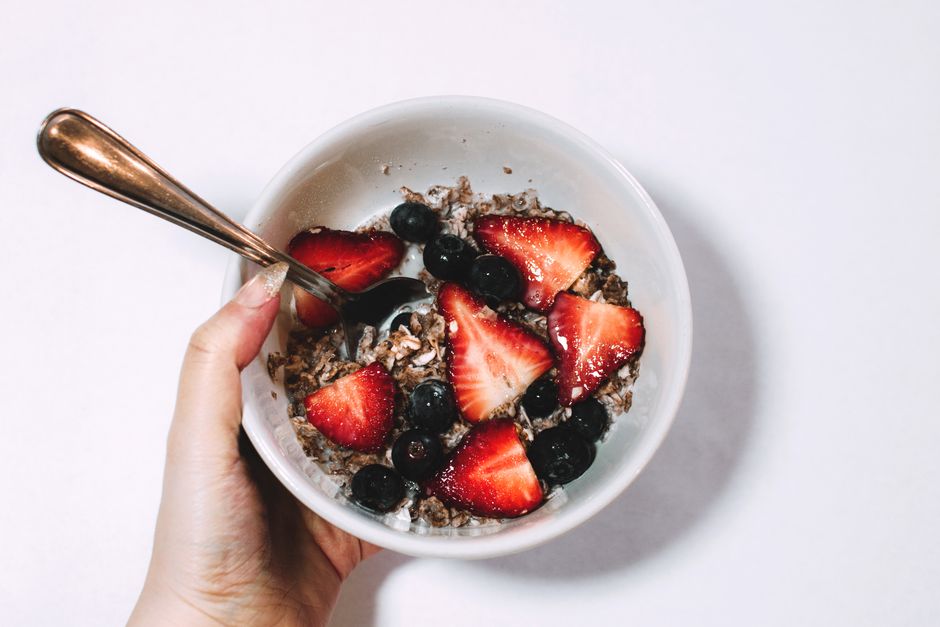
Build breakfast around a protein anchor, a fiber-rich carbohydrate, and a source of fat: plain yogurt with oats and peanut butter, eggs with whole-grain toast, or cottage cheese in a sandwich. Choose no-cook ingredients for rushed mornings, batch-prep safe options for workdays, and use the Nutrition Facts label to keep added sugar low.
Breakfast does not need a blender. It needs a pattern.
Protein alone is not the whole meal. The National Library of Medicine's MedlinePlus guidance says pairing protein with carbohydrate helps a person stay full for the longest. Fiber and food texture give that pairing more staying power.
What are some high-protein breakfasts I can make in under five minutes?
Use plain yogurt, cottage cheese, eggs, hummus, nuts, peanut butter, or soy beverage as the protein anchor, then add oats, fruit, vegetables, or whole-grain bread.
For a no-cook bowl, stir plain yogurt into rolled oats and add peanut butter and fruit. USDA WIC Works lists overnight oats as a five-minute preparation and notes that yogurt provides an added protein boost. Its base uses oats, low- or nonfat milk or soy beverage, and plain yogurt.
For a fast savory plate, combine hard-cooked eggs with whole-grain toast and fruit. Egg-free versions use hummus on whole-grain toast with vegetables, or peanut butter with fruit and whole-grain crackers. The meal changes. The pattern does not.
| Morning constraint | Fast format | Protein anchor | Balance item |
|---|---|---|---|
| No-cook | Overnight oats or yogurt bowl | Plain yogurt or soy beverage | Oats, fruit, peanut butter |
| Five-minute | Toast plate | Hard-cooked eggs or hummus | Whole-grain toast and fruit or vegetables |
| Portable | Cottage-cheese sandwich | Cottage cheese and cashews | Whole-grain bread, grapes, celery |
| Batch-prep | Egg casserole portion | Eggs | Serve with fruit or whole-grain bread |
Plant-based does not mean powder-based. Soy beverage, hummus, peanut butter, and nuts fit the same frame without an animal product.
What is a healthy breakfast that will keep me full until lunch?
A balanced breakfast pairs protein with carbohydrate and fiber, then keeps added sugar in check; it supports fullness without promising that you will eat less later.
A randomized crossover study of 30 women aged 18 to 30 with overweight or obesity found that a dairy-based high-protein, low-carbohydrate breakfast produced greater satiety, fullness, and satisfaction during the next three hours than an isocaloric low-protein, high-carbohydrate breakfast or no breakfast. Hunger, desire to eat, and prospective eating were lower after the high-protein breakfast. The study did not find a significant change in lunch or total daily energy intake. Fullness is the result. Automatic calorie reduction is not.
One portable example comes from USDA MyPlate: a cottage-cheese, cashew, grape, celery, and whole-grain bread sandwich. Per serving, it provides 19 grams of protein, 6 grams of dietary fiber, and 3 grams of added sugars. It also shows the point of a balanced breakfast: dairy, protein foods, whole grains, fruit, and vegetables can sit in one hand-held meal.
Read the label before buying a convenience breakfast. The FDA sets Daily Values of 50 grams for protein, 28 grams for dietary fiber, and 50 grams for added sugars on a 2,000-calorie reference diet. Five percent Daily Value or less is low; 20% or more is high. Compare added sugars, protein, and fiber on the same panel.
What can I eat for breakfast when I have no time to cook?
Eat a prepared breakfast from the refrigerator or assemble a portable sandwich, yogurt container, or snack-style plate in minutes.
Keep hard-cooked eggs ready for up to one week in a refrigerator held at 40°F (4°C) or below, according to FoodSafety.gov. Pair them with fruit and whole-grain bread. For an egg-free route, pack hummus, vegetables, whole-grain crackers, and nuts.
Make a small workday rotation. Prepare overnight oats for the first part of the week. USDA WIC Works says they keep for 3 to 5 days in an airtight refrigerator container, with fresh fruit and crunchy nuts added when ready to eat. Prepare an egg casserole for later in the week; FoodSafety.gov gives refrigerated egg casseroles a 3- to 4-day window.
Portability is a design choice. A spoonable jar, a wrapped sandwich, and a divided container all reduce the morning to opening rather than cooking.
Can I make a high-protein breakfast without protein powder?
Yes. Dairy foods, eggs, soy beverage, hummus, peanut butter, nuts, and cottage cheese provide protein without protein powder.
The strongest no-powder breakfasts combine rather than stack. Plain yogurt with oats and peanut butter has protein, carbohydrate, fiber, and fat. Cottage cheese with whole-grain bread, grapes, celery, and cashews follows the same logic. Eggs with toast and fruit do too.
For dairy-free choices, make overnight oats with soy beverage and peanut butter, or choose hummus with whole-grain crackers and vegetables. For vegetarian choices, use yogurt, cottage cheese, eggs, nuts, or peanut butter. The source changes. The structure holds.
Sugary cereal solves speed but often leaves the rest of the meal missing. A breakfast built from recognizable parts gives the morning fewer loose ends.
Frequently Asked Questions
Which breakfast foods are high in protein but low in added sugar?
Plain yogurt, cottage cheese, eggs, hummus, nuts, peanut butter, and unsweetened soy beverage are practical choices. Check the Nutrition Facts label for added sugars, protein, and fiber; the FDA identifies 5% Daily Value or less as low and 20% or more as high. Pair these foods with fruit, oats, vegetables, or whole-grain bread.
What are easy make-ahead breakfasts for workdays?
Overnight oats and egg casseroles are useful make-ahead formats. USDA WIC Works says overnight oats keep 3 to 5 days in an airtight refrigerator container, while FoodSafety.gov lists egg casseroles at 3 to 4 days refrigerated. Keep the refrigerator at 40°F (4°C) or below.
How can I add protein and fiber to overnight oats?
Use the USDA WIC Works base of oats, milk or soy beverage, and plain yogurt, which adds protein. Add peanut butter for protein and fat, then use fruit and oats for fiber. Add fresh fruit and crunchy nuts when eating rather than during long storage.