
How Can I Meal Prep Healthy Portable Breakfasts for a Busy Week?
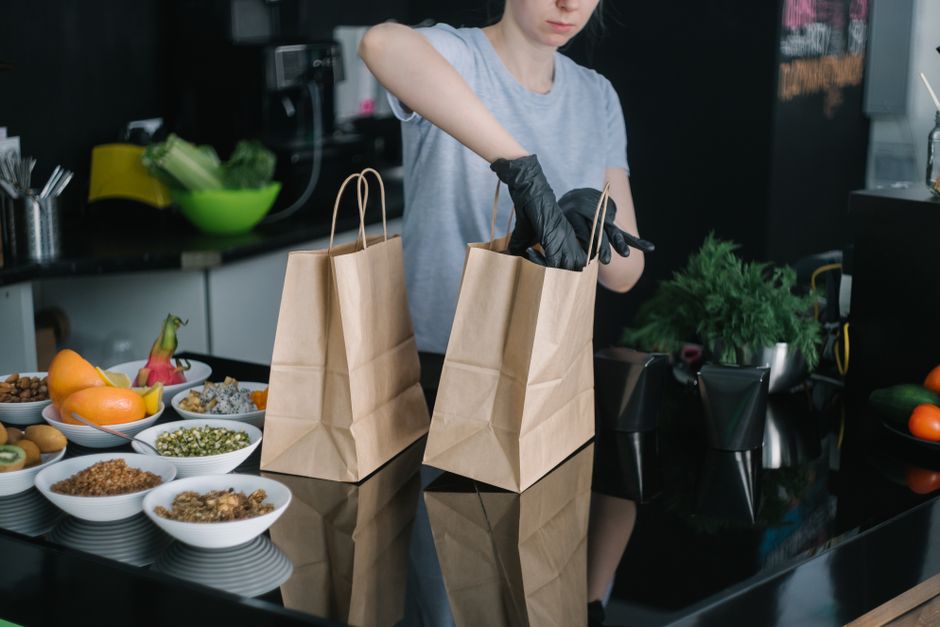
Prepare a five-day rotation of refrigerated overnight oats, hard-cooked eggs, yogurt jars, and freezer-ready egg dishes or muffins. Keep cold food at 40 F or below, pack the no-reheat options in grab-and-go containers, and use the shortest storage window when sources differ. Build each breakfast around oats or whole grains, fruit or vegetables, and food-based protein.
What healthy breakfasts can I make ahead for the whole week?
A whole-week breakfast plan works best as two tracks: refrigerated food for the first few days and frozen food for later. The refrigerator is for near-term meals. The freezer is for relief.
Start with overnight oats. The Kendall Reagan Nutrition Center at Colorado State University uses a base of 1/2 cup rolled oats and 1/2 cup milk, with yogurt and chia seeds as optional additions. It needs at least four hours in the refrigerator. A plain batch lasts up to five days; a batch with fruit mixed in lasts up to two days.
That storage split gives the week its shape. Make plain oat jars for five mornings and keep fruit separate until packing. The center lists combinations such as nut butter and preserves, cinnamon apple with pecans, banana walnut, chocolate almond coconut, and blueberry walnut. Change the mix-in, not the method.
The base oat recipe made with low-fat milk provides 240 calories, 10 grams of protein, and 5 grams of dietary fiber per 1-cup serving. The American Heart Association's overnight no-cook banana oatmeal shows a larger make-ahead version: four servings from five minutes of prep, with 18 grams of protein and 10 grams of fiber per serving. Oats are the steady part. The protein choice changes the meal.
Use hard-cooked eggs for a second portable option. USDA says to refrigerate them within two hours of cooking and use them within one week. Pair them with an oat jar, whole-grain toast, or fruit at the time of eating. The sources support the ingredients and safe timelines; they do not prescribe one perfect calorie total for every person.
Make egg casseroles, quiche, or homemade muffins for the freezer track. The American Heart Association recommends freezing homemade muffins made with fruit, vegetables, nuts, and whole-grain flour, so they can thaw in a bag on the way to work or school. A breakfast that is ready beats a breakfast that is planned but trapped in a recipe book.
| Breakfast option | Prep approach | Storage guidance from the sources | Portable use |
|---|---|---|---|
| Plain overnight oats | Refrigerate at least 4 hours | Up to 5 days without fruit mix-ins | Eat cold or heat |
| Overnight oats with fruit mixed in | Refrigerate at least 4 hours | Up to 2 days | Eat cold or heat |
| Hard-cooked eggs | Cook, then refrigerate within 2 hours | Use within 1 week | Cold, no reheating |
| Egg casserole | Cook thoroughly, cool quickly in shallow containers | 3 to 4 days refrigerated; 2 to 3 months frozen | Reheat when desired |
| Homemade whole-grain muffins | Bake and freeze portions | Freeze for later quality | Thaw in a bag |
FoodSafety.gov states that refrigerated foods belong at 40 F or below. Frozen food held continuously at 0 F or below stays safe indefinitely, though freezer recommendations protect quality. Labeling containers with the prep date removes the only question that grows louder each morning.
How long do overnight oats stay good in the refrigerator?
Overnight oats last up to five days without fruit mix-ins and up to two days when fruit is mixed in. This is the cleanest answer for a five-day plan.
The difference is practical. Prepare five jars of oats, milk, yogurt or chia if wanted, then add banana, berries, apple, or preserves near the day you will eat them. This keeps the week inside the Colorado State guidance without turning Monday's jar into Friday's gamble.
Keep the jars refrigerated at 40 F or below. A cold jar is portable only when it stays cold. Use an insulated bag and a cold source when the trip from refrigerator to breakfast is long; the supplied sources set refrigerator temperature guidance but do not provide a travel-time rule for oat jars.
For a richer breakfast, add nut butter, nuts, or yogurt. The American Heart Association lists yogurt, nut butter, and nuts among food-based protein choices. A small randomized study of 20 breakfast-skipping girls found that a 35-gram-protein breakfast increased fullness and reduced evening snacking on high-fat foods compared with skipping breakfast, while daily energy intake did not differ. The result is narrow, not universal. It still supports putting real protein beside the oats.
What are portable breakfast ideas that do not need reheating?
Cold oat jars, yogurt jars, hard-cooked eggs, and thawed homemade muffins are portable breakfasts that do not need reheating. Prepare them as complete units, not loose ingredients.
The American Heart Association suggests jars of low-fat or fat-free yogurt with frozen fruit, nuts, rolled oats, and cinnamon prepared for several days at a time. Frozen fruit has a second job here: it is part of breakfast and part of the cold mass around it. Keep the jar refrigerated until departure.
Hard-cooked eggs travel well when kept cold. USDA says shell eggs should be refrigerated at 40 F or below and should not sit out for more than two hours. Store eggs in a separate small container if their smell or texture would take over the rest of the meal.
For a no-cook five-day pattern, use plain oat jars on several mornings, yogurt jars on others, and hard-cooked eggs where extra protein fits. For freezer mornings, take a homemade muffin out with a cold yogurt jar. Pack the unit the night before. Morning is then a door, not a decision.
Cooked egg dishes need more care. USDA directs cooks to bring casseroles and other egg dishes to 160 F, cool them quickly in shallow containers, refrigerate them, and use them within three to four days. FoodSafety.gov gives quiche a three-to-five-day refrigerated range, while USDA gives quiche three to four days. Use the shorter three-to-four-day window. When trusted sources differ, the stricter boundary is the useful one.
Frequently Asked Questions
How can I add protein to breakfast meal prep without using protein powder?
Use hard-boiled eggs, cottage cheese, yogurt, milk, nut butter, nuts, seeds, tofu, or beans. The American Heart Association names eggs, cottage cheese, yogurt, nut butter, and nuts as food-based breakfast protein options. Pair one with oats, whole-grain toast, or fruit rather than treating protein as a separate task.
Which breakfast ingredients freeze well?
Egg casseroles and quiche freeze well for quality-focused storage, and the American Heart Association recommends freezing homemade muffins made with fruit, vegetables, nuts, and whole-grain flour. FoodSafety.gov lists egg casseroles at two to three months in the freezer. Do not freeze hard-cooked eggs.
Sources
- FoodSafety.gov: Cold Food Storage Charts
- USDA Food Safety and Inspection Service: Shell Eggs from Farm to Table
- Kendall Reagan Nutrition Center, Colorado State University: Breakfast Recipes
- American Heart Association: How to Make Breakfast a Healthy Habit
- American Heart Association Recipes: Overnight No-Cook Banana Oatmeal
- American Journal of Clinical Nutrition: Higher Protein Breakfast Study