
How Can Older Adults Cook Healthy Meals for One Without Waste?
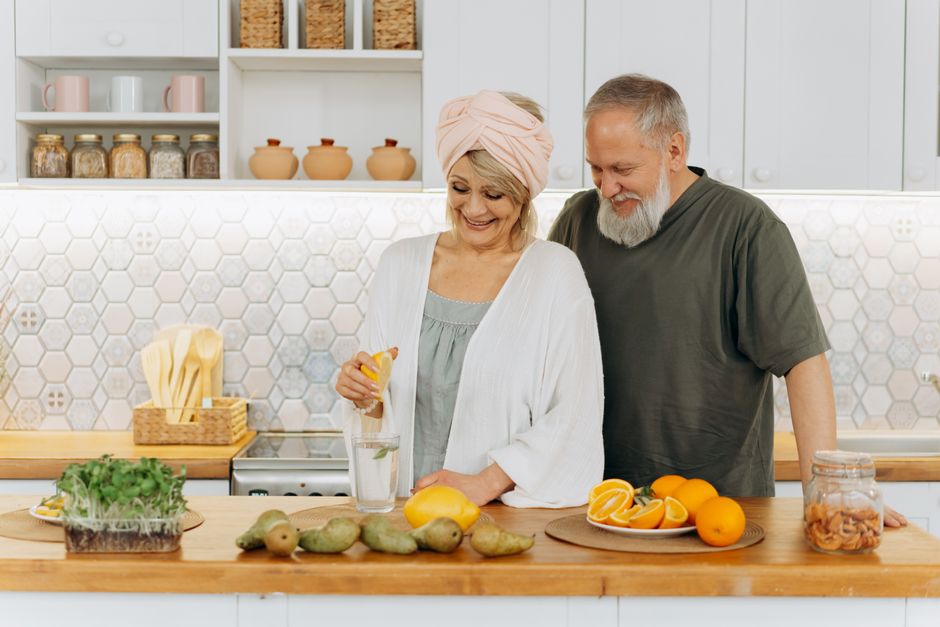
Cook healthy meals for one by buying a short list of foods that work in more than one dish, using low-prep options such as pre-cut vegetables and canned beans, and freezing extra portions promptly. Build each meal around protein, produce, and a simple pantry staple. A microwave, toaster oven, or slow cooker keeps the work small.
What are easy healthy meals for an elderly person living alone?
Easy healthy meals use familiar foods in small combinations: protein, a fruit or vegetable, and a grain or other pantry food.
The National Institute on Aging gives simple examples that take as little as 5 minutes: a smoothie with spinach, fruit, and yogurt; a vegetable omelet with whole-grain toast; a chicken, tomato, and avocado sandwich; or baby carrots with hummus. These are not separate systems. They are the same few foods arranged in different ways.
Low appetite changes the size of the meal, not its purpose. The National Institute on Aging notes that older adults can feel full sooner and that some medicines reduce appetite. Put the protein food into the small meal first, then add foods that are easy to eat. Herbs, lemon juice, and vinegar can add flavor without adding salt.
| Meal | Small grocery list used | Low-prep route |
|---|---|---|
| Smoothie | Yogurt, fruit, spinach | Blend one serving with ice, milk, lactose-free milk, or a soy alternative. |
| Vegetable omelet and toast | Eggs, vegetables, whole-grain bread | Use pre-cut vegetables when chopping is hard. |
| Chicken sandwich | Chicken, tomato, avocado, bread | Make one sandwich rather than a full recipe. |
| Carrots and hummus | Baby carrots, hummus | Portion a snack into a small container. |
The USDA MyPlate guide also names single-serving smoothies, batch-prepared grain bowls, salads, and overnight oats as ways to keep ready-to-eat food close at hand. One meal is easier when the next meal has already been partly solved.
How can I cook for one without wasting food?
Cook for one without waste by choosing foods that repeat across meals, buying only the amount needed, and turning extra food into labeled single portions before it is forgotten.
According to USDA MyPlate's planning guide, a weekly plan that uses the same ingredients in several recipes can cut food waste and save money. Start with one protein, such as beans, tofu, chicken breast, or pork tenderloin. Use it in a salad, soup, or casserole. Add a pantry base such as canned beans, pasta, rice, peanut butter, raisins, or 100% juice. Fresh food has a short clock. Frozen, dried, canned, and shelf-stable foods give the plan more time.
Large packages do not require large meals. USDA MyPlate advises portioning meat and vegetables into the amount needed for each meal and storing the rest safely. Deli counters, salad bars, and bulk sections can also help a one-person household buy less at a time.
Batch cooking works when the batch becomes separate meals. The USDA MyPlate cook-once guide recommends making soups, stews, casseroles, or entrees in larger amounts, then refrigerating or freezing individual portions. A microwave, toaster oven, air fryer, or slow cooker can handle small portions without heating a full oven.
Food safety belongs in the plan. The USDA Food Safety and Inspection Service says to refrigerate leftovers within 2 hours of cooking, or within 1 hour when the temperature is above 90 degrees F. Divide food into shallow containers so it cools quickly.
| Leftover step | USDA guidance |
|---|---|
| Refrigerate | Within 2 hours, or within 1 hour above 90 degrees F. |
| Use from refrigerator | Within 3 to 4 days. |
| Freeze for best quality | For 3 to 4 months. |
| Reheat leftovers | To 165 degrees F; bring sauces, soups, and gravies to a rolling boil. |
Frozen leftovers can go straight into a saucepan, oven, or microwave without thawing first. Waste is often not a shopping problem. It is a storage problem.
What foods help older adults get enough protein?
Older adults can get protein from seafood, dairy or fortified soy products, beans, peas, lentils, chicken, tofu, nuts, and peanut butter.
The National Institute on Aging states: “To get enough protein throughout the day and maintain muscle, try adding seafood, dairy, or fortified soy products along with beans, peas, and lentils to your meals.” Put one of those foods into each small meal instead of saving all protein for dinner.
That creates simple pairings: yogurt in a smoothie, hummus with carrots, beans with rice, chicken in a sandwich or salad, or tofu in a grain bowl. The point is not a perfect recipe. The point is a meal that can be made, eaten, and stored without turning the kitchen into a second job.
For adults age 65 and older, safe handling carries extra weight. USDA reports that nearly half of adults in this age group with a laboratory-confirmed infection from Salmonella, Campylobacter, Listeria, or E. coli are hospitalized. Refrigerate perishable foods on time and reheat leftovers fully.
Frequently Asked Questions
Which kitchen shortcuts are useful when chopping and lifting are difficult?
Pre-cut fruits and vegetables reduce slicing and chopping. A microwave, toaster oven, air fryer, or slow cooker can cook or reheat small portions with less handling. When arthritis, stroke, or Parkinson's disease affects food preparation, a doctor can recommend an occupational therapist who can suggest kitchen changes or special utensils and plates.
How can a senior make affordable meals with a small grocery list?
Plan several meals around the same ingredients, then buy only the quantity needed through a deli counter, salad bar, or bulk section when available. USDA MyPlate lists canned beans, pasta, rice, raisins, 100% juice, and peanut butter as low-cost shelf-stable options. Planning around sale items, choosing store brands, and checking for senior discounts or loyalty rewards can also stretch a food budget.
Sources
- National Institute on Aging: Healthy Meal Planning Tips for Older Adults
- National Institute on Aging: Overcoming Roadblocks to Healthy Eating
- USDA MyPlate: Resource-Efficient Eats Planning and Prepping
- USDA MyPlate: Cook Once, Eat Multiple Times
- USDA Food Safety and Inspection Service: Leftovers and Food Safety
- USDA Food Safety and Inspection Service: Adults 65 and Older as a Risk Population